Olivia Hoffmann · 28 September 2026
Exploring How Domain Migration Patterns Influence Crawl Frequency Metrics in Specialized Online Properties
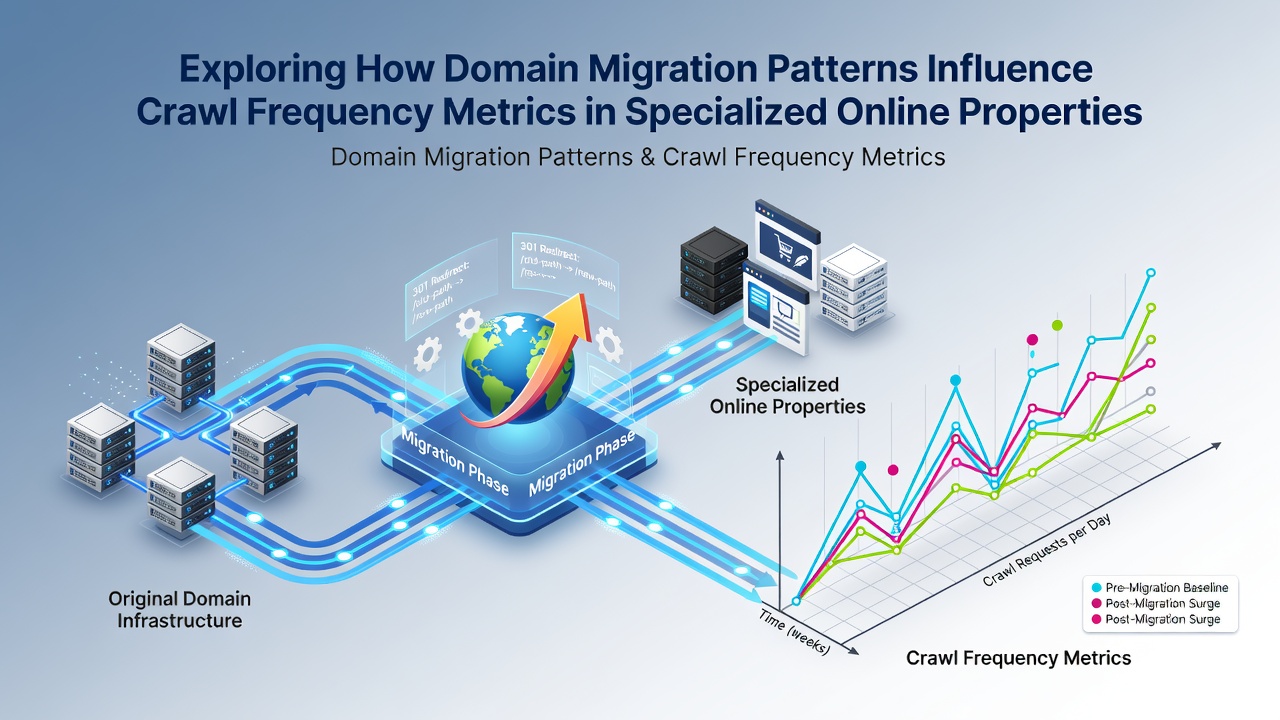
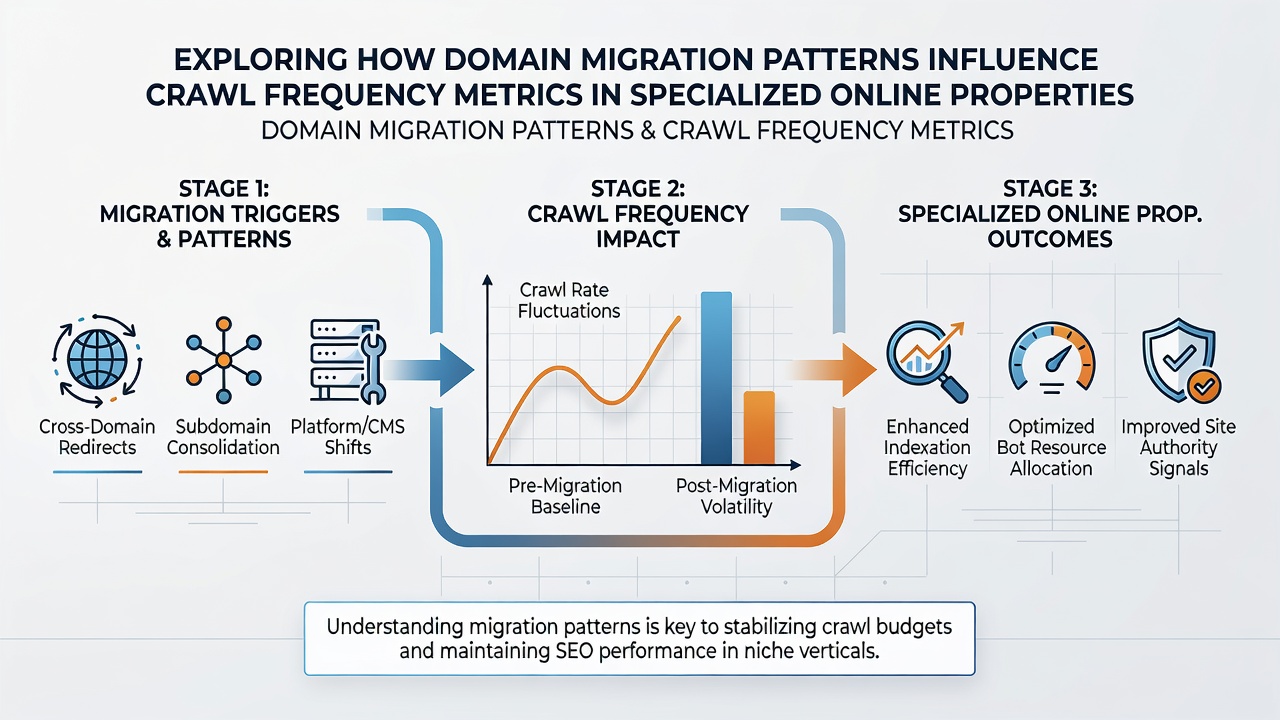
Domain migrations involve shifts in DNS records, registrar transfers, and hosting infrastructure changes that specialized online properties undertake for various operational reasons, and these moves create measurable shifts in how search engine crawlers allocate resources across pages. Data from web analytics platforms shows that crawl frequency often drops immediately after a migration begins because bots detect inconsistencies in server responses and redirect chains before settling into new patterns.
Core Mechanisms Behind Crawl Frequency Adjustments
Search engines rely on signals such as page authority, update velocity, and server reliability to determine visit intervals, so when a domain moves the temporary loss of historical trust metrics forces crawlers to re-evaluate priority levels. Researchers tracking server logs across multiple niche forums and e-commerce microsites have documented that full recovery of pre-migration crawl rates can take between four and twelve weeks depending on how cleanly the transition handles 301 redirects and updated sitemap submissions.
Specialized properties like regional hobbyist databases or industry-specific directories experience these effects more acutely because their content freshness signals differ from high-volume mainstream sites. Observers note that a single DNS propagation delay during migration can reduce daily crawl requests by up to forty percent until the new infrastructure stabilizes and bots resume normal indexing behavior.
Registrar Transfers and Their Measurable Effects
Registrar changes introduce additional layers of administrative updates that indirectly affect crawl frequency through WHOIS record modifications and potential name server adjustments. Figures from monitoring tools indicate that sites undergoing registrar moves see temporary spikes in crawl errors when search engines encounter mismatched SSL certificates or delayed propagation of new authoritative nameservers. One study revealed that properties completing registrar transfers in early 2025 maintained steadier crawl volumes when they pre-notified search consoles and verified sitemap accessibility within the first forty-eight hours.
Technical Indicators Tracked During Transitions
- Server response time averages before and after migration
- Percentage of pages returning 301 versus 404 status codes
- Changes in crawl budget allocation reported through search console data
- Frequency of bot visits to robots.txt and sitemap files
These indicators help administrators identify when migration patterns begin influencing crawler behavior and allow for timely adjustments to internal linking structures that support continued discovery. Data indicates that sites maintaining consistent internal navigation during the move recover crawl frequency faster than those that restructure URLs extensively at the same time.
Patterns Observed in Niche and Specialized Sites
Specialized online properties often operate with smaller overall page counts yet higher content density per topic area, which means any migration-related disruption in crawl frequency directly impacts how quickly new material reaches indexation. Evidence from log analysis platforms shows that forum-style sites experience sharper initial declines in crawl activity after domain changes because their threaded structures require repeated visits to capture updates across multiple subpages. Those who've studied these patterns note that sites using consistent XML sitemap updates during migration maintain higher baseline crawl rates compared with properties relying solely on internal link discovery.
September 2026 brought additional scrutiny to these dynamics when several monitoring services released aggregated datasets covering twelve months of migration events across specialized domains. The reports highlighted that properties completing migrations with minimal changes to content architecture saw crawl frequency metrics return to baseline levels approximately thirty percent faster than those introducing simultaneous redesigns or platform switches.
Monitoring Tools and Data Interpretation Approaches
Administrators tracking these influences typically combine server log analysis with search console reports to separate migration effects from broader algorithm shifts. According to resources provided by the World Wide Web Consortium, consistent use of canonical tags and proper redirect implementation reduces the risk of prolonged crawl budget reductions. Research from academic institutions such as the University of Toronto has examined similar web infrastructure transitions and found that proactive verification of crawl accessibility after each migration phase correlates with steadier indexing performance over time.
What's interesting is how specialized properties in different verticals respond differently; medical information archives tend to regain crawl frequency more slowly than hobbyist catalog sites because their content carries stricter freshness expectations from crawlers. Data shows that incorporating structured data markup during migration can help signal ongoing relevance and encourage faster return visits by bots.
Conclusion
Domain migration patterns continue to shape crawl frequency metrics across specialized online properties through a combination of technical signals and infrastructure stability factors. Observers tracking these interactions emphasize the value of phased transitions, verified redirects, and ongoing log monitoring to maintain consistent crawler engagement. Evidence gathered through 2026 underscores that careful management of each migration stage supports faster stabilization of crawl rates regardless of site specialization.