Olivia Long · 14 September 2026
Tracking Algorithm Update Effects on Niche Site Performance Through Custom Dashboards
Niche sites operate in specialized markets where search visibility drives traffic and revenue, and algorithm updates from major engines frequently alter rankings without warning; researchers track these shifts through custom dashboards that aggregate data from multiple sources including search console reports, analytics platforms, and third-party tools. Observers note that such dashboards allow site operators to isolate performance changes tied to specific updates rather than relying on generic metrics that blend various factors together.
Understanding Algorithm Updates and Their Reach
Search engines deploy core updates several times each year, and data from industry reports shows these changes impact smaller, topic-focused sites more sharply than broad authority domains because niche content often depends on precise keyword alignment and topical relevance. In September 2026, monitoring groups recorded noticeable ranking fluctuations across health, finance, and hobbyist niches following a major rollout, with some sites experiencing traffic drops of up to 35 percent within the first two weeks while others saw gains in long-tail query positions.
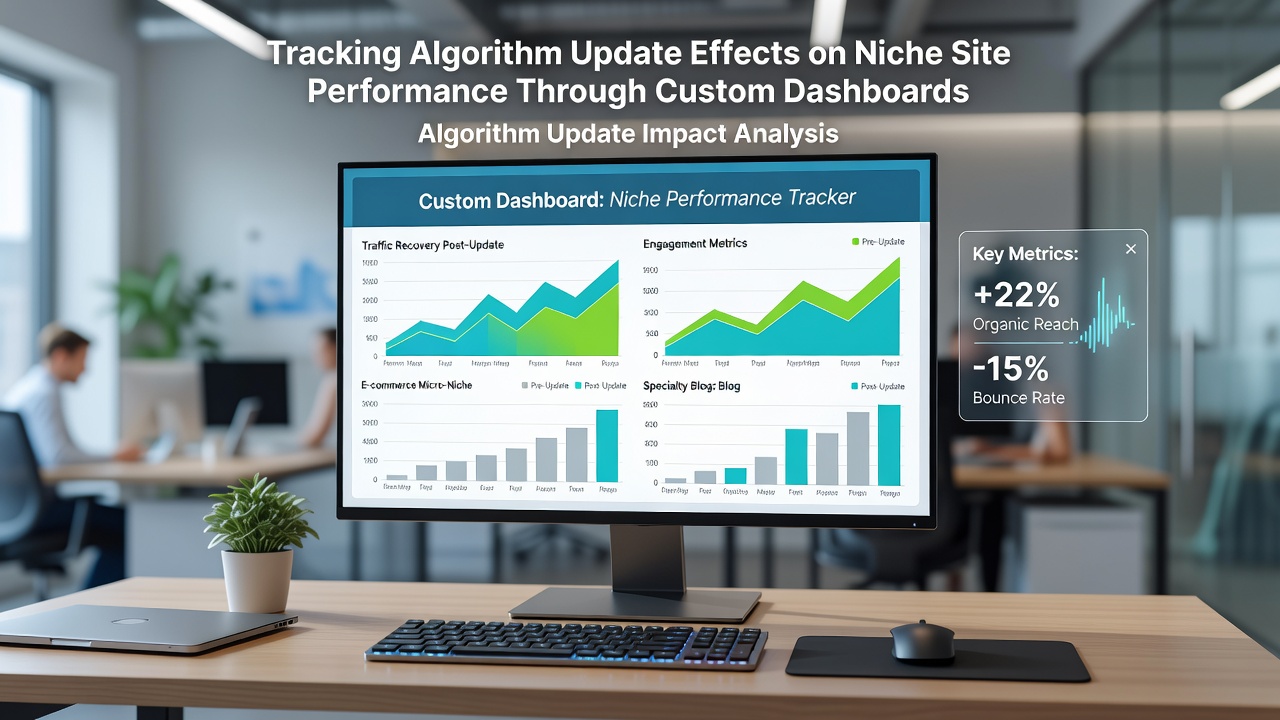
Custom dashboards pull real-time signals from crawl data, user engagement metrics, and backlink profiles, then layer them against historical benchmarks so patterns emerge quickly; experts at research institutions have found that combining these elements reveals correlations between update timing and performance dips that standard reporting misses. Those who maintain these systems often set automated alerts for threshold breaches in impressions or click-through rates, which triggers deeper dives into specific page groups.
Building Effective Custom Dashboards
Developers construct these tools by integrating APIs from sources such as Google Search Console, Bing Webmaster Tools, and internal server logs, then apply filters that segment data by content category, device type, and geographic region. Academic studies on digital analytics indicate that segmentation improves detection accuracy because algorithm effects rarely hit every page uniformly; instead, they concentrate on content that matches certain quality or relevance signals under scrutiny during the update cycle.
One study revealed that sites using layered visualization components, including heat maps for ranking volatility and trend lines for organic sessions, identified recovery opportunities faster than those depending on spreadsheet exports alone. Observers note that adding competitor benchmarking modules helps contextualize whether a drop stems from an algorithm shift or from rival optimization gains.
Case Examples from Recent Rollouts
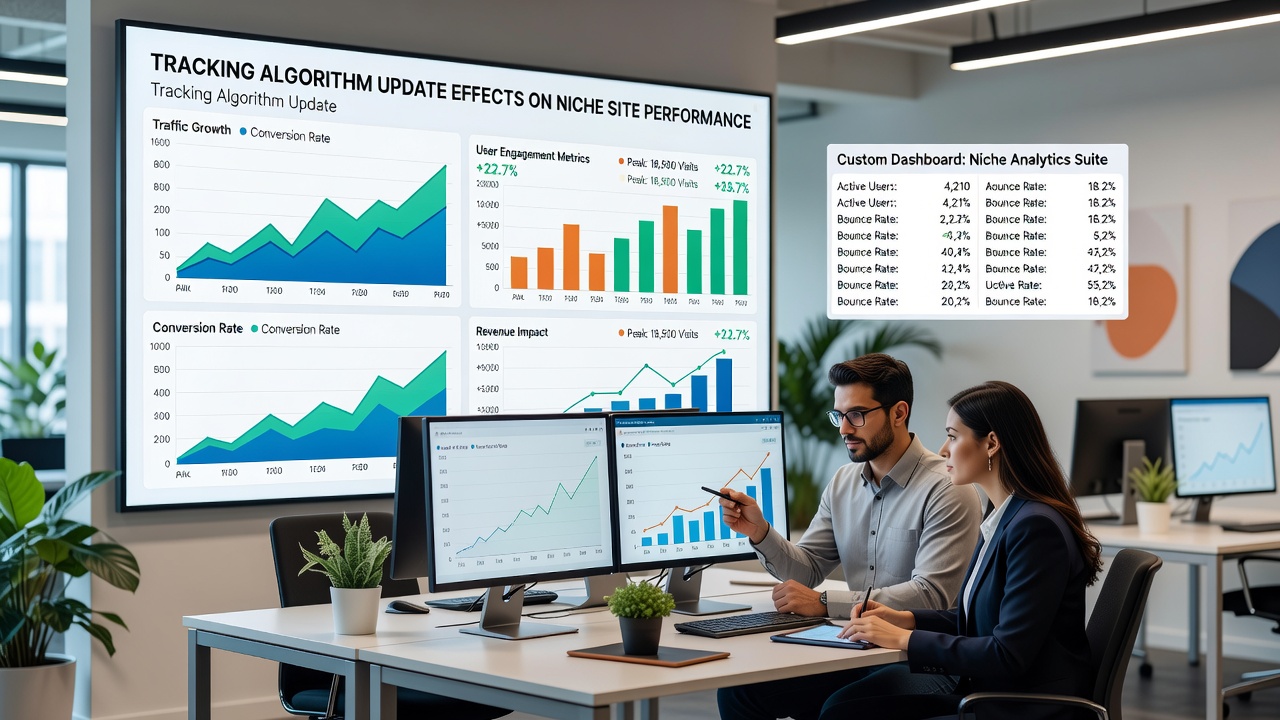
Take one finance niche site that tracked a September 2026 update through its dashboard and discovered a sharp decline in mobile impressions for comparison articles while desktop traffic held steady; further analysis connected the change to new emphasis on page experience signals that the mobile templates had not fully met. Researchers discovered similar patterns across multiple hobbyist sites where video embed performance shifted, prompting adjustments to loading sequences that restored visibility within subsequent crawls.
Another instance involved a health information portal that used custom queries to monitor featured snippet retention, and figures reveal that sites losing multiple snippets during the update period regained them after refining content depth and citation quality. Data indicates these recoveries happened more reliably when operators cross-referenced dashboard outputs with manual reviews of affected URLs rather than acting on aggregate numbers alone.
Data Integration and Alert Systems
Effective dashboards incorporate machine learning models trained on historical update data to flag anomalies, and reports from various academic centers confirm that predictive alerts reduce response time by highlighting pages likely to face demotion before rankings fully adjust. Those who studied this process found that combining clickstream data with crawl frequency logs produces clearer causation signals than isolated metrics provide.
Operators often connect these systems to external regulatory sources for broader context; for instance, Australian Competition and Consumer Commission publications on digital platform practices offer frameworks that align with performance tracking goals. A second link to research from the Pew Research Center supplies usage statistics that help calibrate expectations around traffic shifts in specific demographics.
Conclusion
Custom dashboards serve as practical instruments for observing how algorithm updates reshape niche site outcomes, and evidence from ongoing monitoring shows they enable precise identification of affected content areas. Researchers continue to refine integration methods as engines evolve their ranking systems, and data from multiple regions demonstrates that timely access to segmented performance information supports quicker adaptation across diverse site categories.